
From the Editor: As we move closer to the Nov. 3 general election, we wanted to provide an opportunity for residents in Phoenix City Council District 4 – and our readership more broadly – to learn more about the candidates who are on the ballot for the council seat. Councilwoman Laura Pastor, who has represented District 4 since 2014, will leave office when her term ends in 2027.
There are eight candidates on the District 4 ballot; six of them responded to our inquiry. We asked them what they see as the top two issues facing the district and possible solutions for each, then posed a short series of questions based on current issues and resident input. But first, we asked: “What is the main thing that you want voters to know about you?” Here is what each candidate who responded had to say. Go straight to the Q&A.
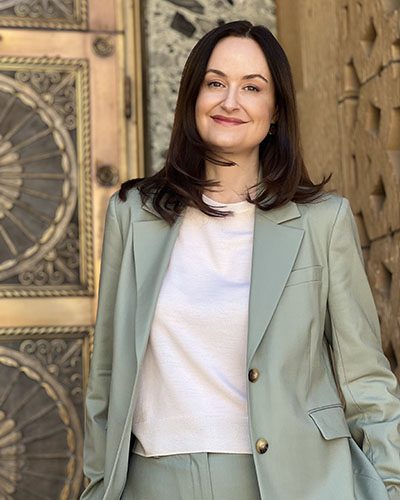
Ashley Harder: The main thing I want voters to know is that I’m not going anywhere. I’ve lived here my entire adult life, built my business here, and invested my time and energy in this community for decades. I’m not a politician. I’m a neighbor and a small business owner who loves Phoenix and wants to bring my experience to serve our community.
As your councilmember, I’ll be close to the people I represent and accessible when you need me. When a neighbor brings me a concern, my job is to listen, pick up the phone, bring the right people together, and work the problem until we find a solution. That’s what local government should be: accessible, responsive, and accountable.
I’m here to listen and turn what I hear into action. I’ll fight like hell for our community to be safe, healthy, connected, and protected, because this is my home too.
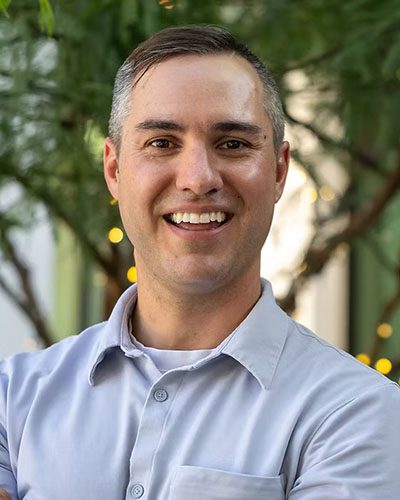
Ed Hermes: I’m running for Phoenix City Council because I love Phoenix and know it can be better. Working families in our city are being squeezed from every direction. Phoenix is increasingly unaffordable. There are too many people experiencing homelessness in our city. I have spent my career fighting for working people as an attorney, school board member, and community advocate, and I am running to bring that same commitment to City Hall and to build better, more equitable systems in our city.
My motivation is deeply personal. I grew up in a working-class family where my parents worked multiple jobs just to provide the basics. We relied on public programs and community support. I am a father of two young girls who go to Phoenix public schools, my wife is an amazing immigration attorney, and I’m an attorney as well. I’m also a school governing board member and represented my neighborhood as the association president, and I chaired the City of Phoenix Street Safety Commission from 2023-2025, among other projects. I put in the time, working hand in hand with other community members, to take on responsibility and make hard earned progress for our city.
Ultimately, I am running to challenge the old governance models, build better systems, and put working families at the center of every decision. That is the leadership I will bring to the City Council.
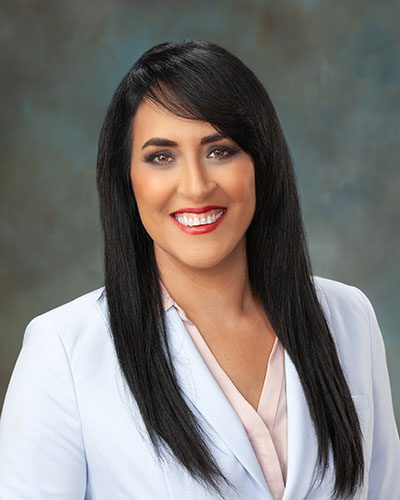
Patricia Jimenez: I want voters to know that this is personal to me.
I’ve lived in this community for more than 40 years and have been a homeowner here for 33 years. I’ve also spent 23 years serving our community on the Isaac School District Governing Board.
I’m not running because I want a title. I’m running because this is my home. I know our neighborhoods, I know our families, and I know many of the challenges we face. I will listen, be accessible, and fight to make sure District 4 has a strong voice at City Hall.
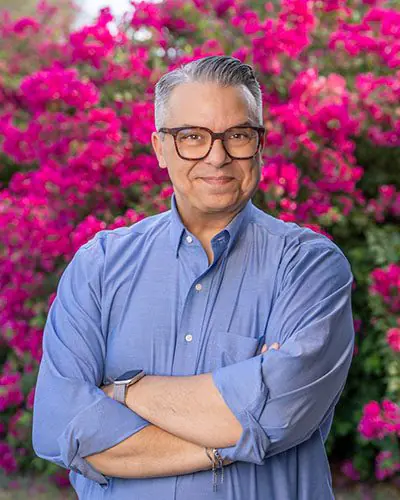
Michael Mazzocco: I’ve lived in Central Phoenix for 20 years, and I’ve spent that time doing the work, not just talking about it. As a small business owner, a citizen of the Delaware Nation, a board member for several organizations, and someone who has chaired a city commission built to serve every resident fairly, I bring real experience turning community input into action. I’m running because this district helped me develop into the person I am today, and I want to make sure it keeps opening doors for the next generation the way it opened them for me.
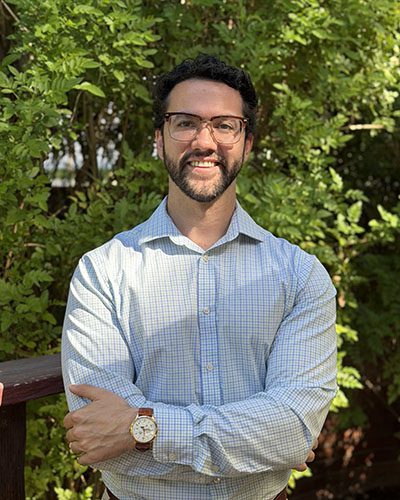
Robb Olivieri: I am a community leader and creative problem solver. I show up and care about our community and city. I may not have all the answers or a monopoly on good ideas, but I will always come to the table to listen and learn. I have spent years working directly with residents and business owners, and interfacing with the city on everything from pot holes to permitting, zoning and development, alleys, homelessness, crime, and supporting businesses, bringing people together and solving problems.
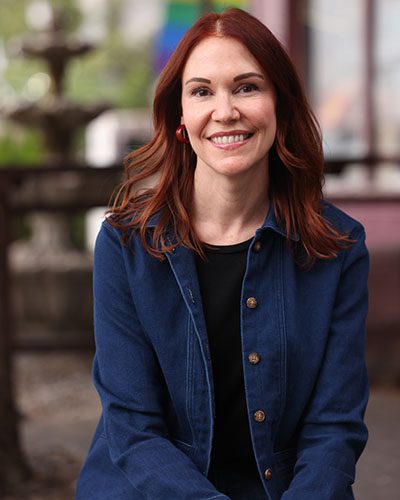
Megan Schmitz: I would like voters to know that I am the only candidate in this race who has experience working in City Hall, and my experience there showed me just how much local government impacts people’s everyday lives and how critical it is to have leaders who truly listen to the residents they represent.
I spent the better part of a decade working in the District 4 office, starting as a council aide, answering constituent calls and helping neighborhoods with things like speed humps, bike lanes, block watches, HAWK pedestrian signals, and park improvements. I organized movies in the park, community bike rides, and helped bring community landmarks like the Melrose Arch on 7th Avenue and the Ed Pastor Pedestrian Bridge at 35th Avenue and McDowell to District 4. I put in the hard work as chief of staff for two different District 4 councilmembers – Laura Pastor and Tom Simplot. I have spent decades building trust, both in the community and inside City Hall. This experience establishing relationships, learning on the job, navigating the tough decisions, and turning challenges on the ground into solutions from City Hall has prepared me to hit the ground running on Day 1.
Q & A with the Phoenix City Council District 4 candidates
Click on the “+” symbol by each candidate to read our questions and the candidate’s answers.
What do you see as the top two issues facing District 4 right now? What is a possible solution for each?
Housing Affordability and Homelessness
I’ve been knocking a lot of doors across District 4, and no matter the neighborhood, whether I’m talking with a resident or a business owner, homelessness is the issue I hear about most. Housing affordability is closely connected, and both require thoughtful, experienced leadership and a commitment to advancing real solutions.
For more than two decades, I’ve worked in real estate development, housing, neighborhood advocacy, and historic preservation. I understand how housing gets built, where the barriers are, and how important it is to bring neighborhoods, businesses, and builders together as Phoenix grows.
Too many families are struggling with rising rents or finding a home they can afford to buy. We need to expand housing opportunities by increasing our housing supply, updating zoning policies, and supporting a wider range of housing choices, including condos, duplexes, and small-scale infill. My approach is preserve and build: add the housing Phoenix needs while preserving existing housing and making sure new development fits the character of our neighborhoods.
Homelessness requires the same focus on real outcomes. We need enough shelter capacity to get people off the street, stronger access to behavioral health and supportive services, more permanent supportive housing options, and greater investment in prevention so fewer people become homeless in the first place.
I laid out this approach in my Housing Plan because Phoenix needs leadership that understands both the urgency of our housing shortage and how to plan responsibly for long-term growth. By increasing housing supply, supporting pathways to homeownership, preventing homelessness, and connecting people in crisis with the services they need, we can make Phoenix more affordable and create stronger, more stable neighborhoods.
What is your stance on reverse lanes: should they stay or go and why?
The residents and business owners of Central Phoenix have made it clear that they want to see the reverse lanes go. Commuters who use them may feel differently, but the people who live and work along these corridors experience the impacts every day. As their Councilmember, my responsibility is to listen to them, represent their interests, and go to bat for their needs at City Hall.
I support ending the reverse lanes, and I’m ready to build the Council consensus necessary to get it done responsibly. That means a thoughtful transition plan, public education, and careful attention to traffic and safety as we change a system that has been in place for decades.
In a polarized political climate, is it possible to bridge divides and bring diverse constituents together? How will you work to build community?
Yes. In fact, I believe that is the job of City Council: to serve everyone. It’s also the power of local government.
I have this conversation often with District 4 voters. Phoenix has a nonpartisan governing body. We’re not elected to advance a political party’s agenda. Our agenda should be what is right for Phoenix: making good policy that improves people’s lives, being responsible stewards of the public’s investment, and delivering quality services to everyone, regardless of political identity or background.
To build community, I’ll do what I’ve always done, just at a larger scale. Throughout my career, I’ve brought neighbors, small businesses, property owners, builders, and City Hall together around projects and community issues where people didn’t always start from the same place. I’ve learned that bringing people to the table early, listening to concerns, and finding where interests overlap can turn disagreement into better solutions.
That’s how I’ll lead on Council: create opportunities for people to be heard, find common ground, and build the trust necessary to get things done. My job is to make sure Phoenix is working for everyone.
Some residents feel that the goals of the ReinventPHX Solano TOD and the ULIAz Tap – Camelback study have not been realized. What are your priorities for the revitalization of the 19th Avenue corridor?
I see tremendous potential along 19th Avenue. There are strong neighborhoods, hardworking small businesses, transit investment, and people who care about their community’s future. What the corridor needs now is leadership that can turn years of planning into action.
I’ve served on multiple ULI Arizona Technical Assistance Panels, bringing my experience in redevelopment, corridor reinvestment, and historic preservation to communities facing similar challenges. I value the AZ TAP process because it brings people together, identifies what is achievable, and creates a path toward implementation.
I’d bring a similar approach to 19th Avenue. I will convene residents, businesses, property owners, and community leaders around clear, measurable priorities, then work with the City to get them done. That means improving public safety and response times, investing in lighting, shade and infrastructure, supporting and attracting neighborhood-serving businesses, and thoughtfully managing zoning to create more diverse housing choices while respecting the corridor’s longstanding neighborhoods.
19th Avenue has been studied and planned for. Now it needs leadership that can turn those plans into action, bring investment to the corridor, and deliver real results. I’m ready to lead that work alongside the people who live and work there and deliver the progress this community deserves.
What do you see as the top two issues facing District 4 right now? What is a possible solution for each?
Issue #1 – Housing Access and Affordability
Phoenix is in the midst of a housing affordability crisis. For too many young families, homeownership is out of reach, rents have become increasingly unaffordable, and eviction rates remain at historic highs. Corporate homebuying, barriers to building new housing, and inadequate tenant protections have all contributed to this crisis.
Housing should not be treated as a luxury. As a city councilmember, I will work to expand the supply of attainable housing by removing unnecessary barriers to construction, particularly on empty and blighted lots, creating a Phoenix Land Bank to rehabilitate vacant city-owned housing in District 4 for first-time homebuyers, selling the more than 2,000 city-owned residential lots for housing, and reforming zoning and building regulations to encourage more housing people can afford.
In addition to better staffing and setting service-level-agreements under which our planning staff must respond to permitting applications and questions – making the building process faster and more predictable – we will also reopen City Hall and welcome back walk-ins so that people seeking remodel or construction permits can walk into City Hall and quickly get the help they need.
To directly address the homelessness epidemic, I want to strengthen protections for renters by creating Phoenix’s first Office of Tenant Rights. This office will offer access to legal representation in eviction cases, where 98% of renters currently have no representation. It will also protect tenants from abusive leasing practices, work with the Attorney General’s Housing Justice Office to address habitability issues, and draft policy such as optional inclusive zoning to encourage the development of more affordable housing options throughout the city.
Issue #2 – Affordable Transportation and Safe Streets
Transportation is one of the largest expenses facing District 4 families. Every dollar families spend on gas or car insurance is money they cannot spend on housing, education, or healthcare. Phoenicians spend $14-32 billion annually on out-of-pocket costs for cars, and Phoenix has more serious and deadly car crashes than any other major City in the U.S. Reliable public transportation and safe streets are essential to expanding opportunity, improving upwards mobility, reducing congestion, and improving air quality. For example, District 4 has 650 bus stops but many of these have no shade or garbage cans, and often have no sidewalks or safe crosswalks to get there. We will find creative ways to lower costs to construct new bus shelters, increase our tree and shade canopy, and construct more and safer sidewalks and street crossings.
I use Phoenix’s buses, light rail, and bicycle network every day in District 4. The safe active travel network has major gaps. I want to change the process of approving new routes so that all these network gaps can be rapidly filled. We will follow through on the promises to build a safe and connected bike, walk, and running network so that families have more transportation options. Every kid should have the opportunity to safely walk and bike to their local school. Active travel infrastructure saves the City money in the long term by getting cars off the roads.
I also support making buses and light rail free for students, youth, and seniors; increasing transit frequency and reliability; restoring late-night light rail service; eliminating the city’s sidewalk backlog; making the transit experience better and more comfortable. I also support bringing Amtrak service back to Phoenix and advancing high-speed rail between Phoenix and Tucson.
What is your stance on reverse lanes: should they stay or go and why?
The reverse lanes should be removed immediately. When they were implemented in 1979, City engineers did not support them because they knew these lanes would sacrifice everyone’s safety for marginal speed gains for weekday North/South drivers. The “suicide lanes” (as they are often called) are out of federal traffic code compliance, which creates serious liability for the City, and trying to bring the reverse lanes into compliance would cost the City tens of millions of dollars to install lighted reverse lane signs – money that could be used better elsewhere.
We should simply remove the reverse lane signs and convert the 7s back into normally functioning arterials. The 51, the light rail line on Central, and the new advent of working from home have lowered traffic projections. A 2024 study by traffic engineers out of ASU found that ending the reverse lanes would improve safety and access to businesses along the 7s, and have a negligible impact to the average North/South car commute. My family and neighbors currently have to drive several miles out of the way to avoid the reverse lanes to get to where we need to go – ending the reverse lanes would allow for a more direct and efficient commute for people trying to access the schools and businesses along the 7s.
In a polarized political climate, is it possible to bridge divides and bring diverse constituents together? How will you work to build community?
My policy proposals have bipartisan appeal: efficiency, transparency, accessibility and making resident engagement in governance easier, revising our policies to solve modern problems for hard working families. My priorities are housing affordability, transportation safety and affordability, affordable childcare/afterschool care, and safe routes to schools to relieve working families. Families across Phoenix are being financially squeezed and feeling frustrated about our city’s attachment to old policies that are not working anymore. I have spent the last year developing a well-researched, detailed affordability plan for Phoenix, and I have experience bringing people together around common goal to make change – as a school board member, chair of the Phoenix Vision Zero Committee on Street Safety, and as a neighborhood association president.
Solving our homelessness crisis, making our transportation system safer, and making sure young parents can envision and afford futures in Phoenix is the vision that I lead with to bring people together.
The Phoenix City Council voted down the Light Rail CAPEX in January 2026 and chose rather to prioritize the proposed Indian School Road line. Do you support the continued expansion of light rail, and if so, will you work to bring the I-10 line to fruition in the future? If not, why?
I support the continued expansion and improvement of our light rail system in Phoenix. The cancellation of CapEx after years of development, $20 million in investment, and federal matching grants secured, after multiple rounds of voter approval, is not something I would have supported as a council member.
If Indian School remains the only option for expanding light rail to West Phoenix, I will support that route; however, I will make sure that it is done in an efficient and safe way, and a manner that does not destroy homes or businesses. Per the City of Phoenix’s own data, that portion of Indian School currently sees around 38,000 cars every weekday, which does create challenges to construct the extension in a manner that is safe for all road users and does not leave the Light Rail or car traffic being interrupted by traffic crashes.
Per Phoenix’ and Valley Metro data, our light rail investments have seen a 5-to-1 return in the form of induced capital investment and new construction. We want that construction to promote a safe and comfortable pedestrian environment, which will be a challenge along Indian School. In addition to considering the volume of car traffic, I believe that light rail routes should be chosen based on the underlying land use and what neighborhoods will support it.
To maximize the return on investment for transit, we need to maximize the number of destinations in the walking shed of each stop or station. Phoenix’ current land use laws are often quite restrictive, resulting in about 850 average buildings in the one-square-mile walking shed of each transit stop, or a total of around 33,000 buildings that are walkable from our light rail system. For a city of 1.6 million residents, this means the light rail will usually not be a practical or default means of travel for but a tiny fraction of all trips.
Whichever neighborhoods between Central and West Phoenix are agreeable to revise their zoning, allowing more density and businesses, should be the neighborhoods that receive the light rail as an amenity.
The West Phoenix Extension is currently planned to connect to existing light rail at either Central Avenue or 19th Avenue, in District 4: What do you say to residents in the area who are concerned about safety on/along the light rail?
To achieve our goals of reducing greenhouse gas emissions, providing more transportation options, and reducing car congestion, public transit must be fast, frequent, affordable, and safe. I want our streets and public transit to be safe enough for my wife and I to feel comfortable having our daughters walk and take the bus to school. I will work to make that dream a reality – focusing on bringing investment, shade, development, and design changes to intersections like 19th Avenue and Camelback to transform this area. Taking public transit is statistically much safer than driving, but getting to and waiting for the bus or light rail can feel uncomfortable or unsafe.
As someone who takes the Light Rail or bus almost every day, I have encountered unhoused neighbors going through heat or mental health crises. This is concerning, especially for parents like me. This is why I developed a very comprehensive and aggressive Housing plan as well as a Community Safety & Health plan that looks at the biggest ongoing risk factors in Phoenix and proposes root cause solutions.
What do you say to small business owners along Indian School Road who are concerned about light rail negatively impacting them/their business?
I agree with these business owners that multi-year disruption to access of their businesses is a huge concern. For a small business with modest profit margins, many would not be able to survive such a lengthy disruption. I have spoken with several business owners whose only reason for opposing the light rail is due to this threat of lowered access during a long construction period. I have proposed to the city to respond to these concerns by offering tangible relief in the form of zero-interest loans and new entitlements that together, fully offset any substantiated business losses attributable to construction.
In the case of Indian School, we have many years notice before the project would even break ground. The businesses should be able to track their sales and profits for the years in advance of the construction, then on a quarterly basis show any documented losses during construction. These businesses should then be eligible for zero-interest loans and new entitlements like relaxed zoning, parking flexibility, and others that would allow them to maximize productive use of their land and recuperate those losses. Those who wish to sell and relocate should receive priority support from the City planning department to that end. As a construction attorney, I will also ensure that any construction agreements prioritize shorter construction and disruption deadlines and incentives to complete construction quicker. I support the South Phoenix Light Rail extension, but the construction and disruptions took longer than it should have.
Some residents feel that the goals of the ReinventPHX Solano TOD and the ULIAz Tap – Camelback study have not been realized. What are your priorities for the revitalization of the 19th Avenue corridor?
I agree. As a neighborhood leader, ReinventPHX was an exciting plan to be a part of, but the goals have not been realized – especially for 19th Avenue.
ReinventPHX promised a more walkable, safe, and productive area, but the City has fallen short of making the hard decisions and investments to realize the plan. My priorities for the revitalization of the 19th Avenue corridor are to install pedestrian and street safety improvements, improved sidewalks and shading (both trees and shade structures), and improved trash and blight clean up along 19th Avenue, 15th Avenue, 23rd Avenue, Camelback, Missouri, and other roads in the area that have seen high numbers of pedestrian injuries and deaths. Building better and safer streets will bring foot traffic that will allow us to attract good commercial businesses to the corridor, which will further improve walkability.
I will also redevelop the empty (or near empty) lots owned by the City on 19th Avenue and Camelback, 19th Avenue and the Grand Canal, and other empty lots in the area to build housing and attract high value commercial businesses to the corridor.
What do you see as the top two issues facing District 4 right now? What is a possible solution for each?
Public safety is one of my biggest priorities. When I talk with residents and business owners, I hear concerns about response times, crime, homelessness, and whether there are enough officers available when people need help. I want Phoenix to recruit and retain more police officers and dispatchers, improve response times, increase neighborhood patrols, use technology such as cameras and real-time crime centers, and continue building stronger relationships between officers and the community.
My second priority is cleaner, stronger neighborhoods. That means addressing illegal dumping, fixing streets and sidewalks, improving lighting and infrastructure, and making sure businesses and neighborhoods receive better service from City Hall. Residents should not repeatedly call the city to get basic problems addressed.
What is your stance on reverse lanes: should they stay or go and why?
I believe we need to take a serious look at whether the reverse lanes are still working for today’s Phoenix. Safety must come first.
Before making a final decision, I want to look at traffic and safety data and listen to the residents and businesses who use these streets every day. If we can improve safety and traffic flow with a better system, then I am open to changing them. I don’t believe we should keep something simply because that is how it has always been done.
In a polarized political climate, is it possible to bridge divides and bring diverse constituents together? How will you work to build community?
Yes. I’ve served my community for 23 years on the Isaac School District Governing Board, and I learned a long time ago that you are not always going to agree with everyone.
You must listen, treat people with respect, and find the things you do agree on. Most people want the same basic things: safe neighborhoods, good streets, opportunities for their children, successful businesses, and a government that listens to them.
As a council member, I will be present in the community. I want to meet with residents, neighborhood groups, business owners, schools, and organizations throughout District 4 – not just when there is an election.
The Phoenix City Council voted down the Light Rail CAPEX in January 2026 and chose rather to prioritize the proposed Indian School Road line. Do you support the continued expansion of light rail, and will you work to bring the I-10 line to fruition in the future?
I support public transportation and transportation investment, but I do not believe every proposed light-rail route is automatically the right route.
I have serious concerns about placing the West Phoenix Extension along Indian School Road. I’ve been walking in that corridor and talking directly with business owners. We need to listen to the people who will be affected before making a decision of this size.
I am open to looking at the I-10 corridor and other alternatives. My priority would be to find the transportation solution that moves people efficiently while protecting our neighborhoods, businesses, and taxpayers.
The West Phoenix Extension is currently planned to connect to existing light rail at either Central Avenue or 19th Avenue, in District 4: What do you say to residents who are concerned about safety on or along the light rail?
Their concerns are valid and should not be dismissed.
If Phoenix expands light rail, public safety must be part of the plan from the beginning – not something we address after problems occur. That means adequate security, lighting, cameras, clean stations, enforcement of rules, and coordination between Valley Metro, Phoenix Police, and neighborhood organizations.
Residents deserve to feel safe walking to their homes, businesses, and transit stations.
What do you say to small business owners along Indian School Road who are concerned about light rail negatively impacting them or their businesses?
I am listening to them, and I will continue fighting for our Indian School Road corridor.
I’ve personally walked Indian School Road and visited businesses along the corridor. These aren’t just buildings on a map. They represent families who have invested their money, time, and sometimes their entire lives into their businesses.
I have serious concerns about an Indian School Road alignment if it means years of construction, reduced access, lost parking, displacement, or businesses being forced to close.
Before moving forward, the city needs to show exactly how businesses and neighborhoods would be affected and seriously consider alternatives. We should improve transportation without destroying the businesses and communities we’re supposed to be helping.
Some residents feel that the goals of the ReinventPHX Solano TOD and the ULIAz Tap – Camelback study have not been realized. What are your priorities for the revitalization of the 19th Avenue corridor?
My priority is making 19th Avenue a corridor where people feel safe living, walking, shopping, and doing business.
That means addressing crime and problem properties, improving lighting, sidewalks and streets, cleaning up illegal dumping, supporting existing businesses, and attracting responsible new investment.
I also want development that creates housing and homeownership opportunities without pushing longtime residents out of their neighborhoods.
Revitalization cannot simply mean building something new and calling it progress. The people and businesses who are already there need to benefit from that investment.
After 40 years in this community, I want to see these corridors become places our residents are proud of while making sure the people who helped build our neighborhoods have a place in their future.
What do you see as the top two issues facing District 4 right now?
1. The homelessness crisis. District 4 residents see this every day, in encampments, in rising visibility on the streets, and in safety issues. The solution I’m running on is Housing First. That means getting people into housing quickly and pairing that housing with the wraparound services, mental health care, and job support that actually keep people housed for good. I’ve studied what has worked in cities like Denver and Houston, where a Housing First approach reduced both homelessness and the public cost of criminalizing it. I want Phoenix to build on that model, expand permanent supportive housing, and pair it with strong wrap around services so we can bring our unhoused constituents back into working society.
2. The disconnect between economic growth and everyday affordability. Phoenix is growing, but too many residents in District 4 aren’t feeling that growth in their own paychecks or their own neighborhoods. It shows up in out-of-control housing costs and in empty storefronts across the district. This is a multi-faceted issue, and it deserves a response with just as many layers.
On the cost of housing, families in this district are being priced out of the neighborhoods they grew up in, seniors are choosing between rent and medication, and young people can’t afford to put down roots here even when this is where they want to build their lives. I have several ideas, but three we could implement immediately, with enough votes on council, are aggressive upzoning along transportation routes, voluntary inclusionary zoning with strong incentives, and a public land strategy for affordable housing.
On the empty storefronts, one of our best opportunities is an Office of Economic Empowerment, a dedicated city resource focused on small business support, workforce development, and connecting residents, especially in historically overlooked corridors, to the jobs and investment coming into our region. We have over 1,000 empty storefronts in this district. Let’s fill them with small businesses owned by our neighbors. Growth should mean something for the neighbor who owns the shop on the corner, not just for the developer downtown.
What is your stance on reverse or switch lanes, should they stay or go and why?
They need to go. The reverse lanes on our corridors are a drag on businesses and turn our communities into highways for those north of us, cutting straight through Melrose, Encanto, Willo and other District 4 neighborhoods so drivers passing through can save a few minutes. That’s not a fair trade. An independent crash data analysis using ADOT records found these corridors see double the crash rate of comparable streets, with one extra crash every single day for the past 20 years, adding up to more than $300 million in damages. Pedestrians and cyclists make up just 1% of the incidents but 80% of the deaths. That’s not traffic engineering, that’s a design flaw with a body count. Families walking to school, seniors, and anyone unfamiliar with the corridor pay the price for a system built in 1979 to solve a problem the rest of the city has already moved past. I’d replace it with modern, consistent lane design that keeps traffic moving without asking our neighborhoods to absorb the risk.
In a polarized political climate, is it possible to bridge divides and bring diverse constituents together? How will you work to build community?
Yes, and I’ve spent over two decades doing exactly that work in Phoenix. As chair of the city’s Human Relations Commission, and through years on the board of the Greater Phoenix Equality Chamber of Commerce, I’ve had to bring together people who don’t always agree, business owners, faith leaders, LGBTQ advocates, Indigenous community members, and neighbors from every part of the political spectrum, around a shared goal. Local government isn’t red or blue when it comes to fixing a pothole, keeping a park safe, or making sure a small business can open its doors. My campaign slogan says it plainly, when District 4 unites, we all shine brighter.
How I’ll build community:
- Show up consistently in every part of the district, not just where it’s politically comfortable, from Melrose and Encanto to Maryvale and Coronado.
- Keep council office hours and neighborhood walks a regular practice, not just a campaign tactic.
- Use my Human Relations Commission experience to keep the door open between residents and city government, especially for communities that have historically felt unheard.
- Ground decisions in the idea that this seat belongs to residents. I’m asking to hold it on their behalf, not to own it.
The Phoenix City Council voted down the Light Rail CAPEX in January 2026 and chose rather to prioritize the proposed Indian School Road line. Do you support the continued expansion of light rail, and if so, will you work to bring the I-10 line to fruition in the future? If not, why?
Yes. I support continued light rail expansion, and I believe the city needs to stay accountable to the voters who approved these projects at the ballot box multiple times. The January 2026 decision to step back from the Capitol Extension and prioritize the Indian School Road corridor was a difficult one, made under real pressure from state lawmakers threatening to block funding. I understand why the council made that call, but I don’t want it to become an excuse to quietly shelve the I-10 West extension. West Phoenix and the West Valley have waited long enough. As a council member, I would push to keep the I-10 line on a clear timeline and make sure Phoenix doesn’t let political pressure from the state permanently derail projects our residents already paid into.
The West Phoenix Extension is currently planned to connect to existing light rail at either Central Avenue or 19th Avenue, in District 4: What do you say to residents near the West Phoenix Extension who are concerned about safety on or along the light rail?
I hear that concern, and it’s a fair one. Safety along transit corridors isn’t just about the train itself, it’s about lighting, station design, visible security presence, and how well the surrounding streets are maintained. I’d push for safety to be built into the corridor design from day one, not added as an afterthought once the line is running, and for real coordination between Valley Metro, Phoenix police, and the neighborhoods along the route so residents have a direct line to raise concerns as the project moves forward.
What do you say to small business owners along Indian School Road who are worried about construction and long-term impacts on their businesses?
Their concerns are legitimate, and I’ve heard directly from business owners in similar situations who lost customers during past construction periods with too little support from the city. Any expansion along Indian School Road needs a real business mitigation plan, not just a promise, including things like signage that keeps businesses visible during construction, marketing support, potential relief on fees or permits during the disruption, and genuine two-way engagement instead of a presentation after the decisions are already made. Transit should bring more customers to these businesses in the long run, and the city has an obligation to help them survive the short-term disruption to get there.
Some residents feel that the goals of the ReinventPHX Solano TOD and the ULIAz Tap – Camelback study have not been realized. What are your priorities for the revitalization of the 19th Avenue corridor?
Residents are right that a lot of planning has happened in this corridor, ReinventPHX’s Solano transit-oriented development work and the ULIAz Tap Camelback study among them, without enough of it turning into real change on the ground. My priorities for revitalizing the 19th Avenue corridor are:
- Follow through on what’s already been studied. Residents have given years of input into these plans. My first priority is holding the city accountable to actually implement the priorities that came out of that community engagement, instead of starting over with another round of studies.
- Affordable housing paired with real transit access. The 19th Avenue corridor is one of the best-positioned areas in the district for transit-oriented affordable housing. I want that development to include deep affordability, not just market-rate units branded as transit-oriented.
- Support for existing small businesses and historic character. Revitalization should strengthen the businesses and buildings already there, not push them out. That includes protecting what we can of the corridor’s historic fabric within the limits state law now places on new historic districts.
- Walkability and safety improvements. Better lighting, crossings, and streetscape investment along the corridor so residents feel safe walking to the station and to local businesses, not just driving through it.
I’d treat the Solano TOD and Tap Camelback recommendations as a starting commitment the city owes this community, and work to bring real budget and staff attention to finally deliver on them.
What do you see as the top two issues facing District 4 right now? What is a possible solution for each?
District 4 is very diverse, and depending which area of the district you’re in you may hear different priorities. From affordability, housing, connecting West Phoenix, water insecurity, shade, road safety, and crime, to name a few. Two that come up most frequently are homelessness and vacant properties/land.
Homelessness is not just one issue, it’s many. It’s a quality-of-life issue certainly for those on the streets in need of help, but often times it is neighborhoods and small businesses that are on the front lines. My team at ASU has worked to develop a prototype for real time bed tracking for outreach workers, streamlining a very manual process. That won’t solve everything but it will get folks off the streets quicker.
We need to coordinate and collaborate more with our neighboring towns and cities, the county, and state, as well as the service providers and nonprofits. I’m struck with how many holes there are in the net. There’s a need for increased shelter and transitional housing capacity. We have to ensure people that are housed don’t end up on the street whether that’s a single mother trying to make ends meet or a senior on a fixed income. There will be some overlap in solutions but it’s going to look different for each individual to meet their needs.
Vacant lots and commercial properties come up often as well. They tend to be magnets for encampments, criminal activity, hurt surrounding businesses and make neighbors feel less safe. On top of that they are a drain on the system, being a disproportionate amount of the calls for service. We need to lean on absentee owners to fill spaces, or cover the costs to the city. Help find tenants where possible, incentivize small businesses to open in these spaces, and at times get creative about repurposing these spaces to support community needs as third spaces or to incubate businesses. Not only does this help economic development but it is the best thing we can do for public safety. We have had some good success filling storefronts in Melrose in recent years, and it has helped transform the community for the better.
What is your stance on reverse lanes: should they stay or go and why?
I am in favor of getting rid of them. Living off 7th Avenue and spending the last six years with the Melrose Community Alliance, including the last four as president, I know the impact of the reverse lanes on our residents and our small businesses. It causes a lot of roadway confusion and hurts our small businesses on the 7’s. I know several businesses that have stopped having happy hours because it’s too hard to navigate that time of day, which causes the loss of tax revenue for the city. Due to turn restrictions they also cause increased cut through traffic into neighborhoods during rush hour times.
That being said, I do think there are other issues regarding the 7’s that need to be addressed as well, mainly speed of vehicles. Environment drives behavior and with six lanes of road, people will use it like a pseudo-highway. I’ve seen vehicles drive through buildings, hit pedestrians, and I know many people that do not feel safe crossing the street regardless of time of day. It’s hard to have thriving neighborhoods and small businesses, or even an economic center to coexist in that environment. I’m open to different solutions along the 7’s but the status quo for many of us living in these communities is not an option. I’d like to see additional traffic mitigation efforts, such as speed enforcement, increased HAWK or traditional cross walks. One thing I’ve tried to push for specifically in Melrose is a Pilot on the weekends to have street parking on the outside lanes. It will help not only slow down traffic, add a buffer for pedestrians, alleviate parking pressures for some businesses that overflow into neighborhoods, and if we metered it, we could get some revenue for the city.
In a polarized political climate, is it possible to bridge divides and bring diverse constituents together? How will you work to build community?
I will continue the work I’ve been doing for years, building bridges and opening lines of communication. Everything I’ve done whether in the community or my work at ASU, comes down to building relationships and solving problems. Especially when things are so chaotic and uncertain, we need to focus on community building, community resilience, and local solutions. We all drive on the same roads, live in the same neighborhoods, go to the same places. We have to come together to push Phoenix forward. Community is the foundation of my campaign and why I’m running, to bring people together for a better Phoenix.
I’d continue to work to establish new neighborhood associations, business alliances and coalitions. Continue to ensure those groups are supported and provided resources to bring their neighbors together. I would remain active in the community, going to as many events and community meetings as possible, and continue to be accessible. As well as hosting meetings and events regularly throughout the district. My doors will be open to everyone in the district, whether we agree or not on particular issues. I would commit to spending at least two days working out in communities around the district to meet people where they are at and promote local businesses, rather than spend every day at City Hall.
The Phoenix City Council voted down the Light Rail CAPEX in January 2026 and chose rather to prioritize the proposed Indian School Road line. Do you support the continued expansion of light rail, and if so, will you work to bring the I-10 line to fruition in the future? If not, why?
Yes, I am in favor of the light rail expansion. I think the city needs a connected transit system and a need to connect Maryvale and West Phoenix with the rest of the city. I’d be in favor and work towards the CAPEX extension after the Indian School line.
The West Phoenix Extension is currently planned to connect to existing light rail at either Central Avenue or 19th Avenue, in District 4: What do you say to residents in the area who are concerned about safety on/along the light rail?
I’d say that I hear them and that these are legitimate concerns. We should be addressing safety concerns before and during construction and once the line is operational. We should be working with residents to address concerns as we move along through the process. Part of that is increasing ridership, as that will provide more eyes on the rail and road to increase safety. Along with that we should be focusing on infilling with housing and businesses along the light rail to allow for the needed density increase usage of the system.
What do you say to small business owners along Indian School Road who are concerned about light rail negatively impacting them/their business?
Again, this is a legitimate concern. Any type of large-scale construction will be disruptive to businesses. We need to be communicating often with small businesses in the corridor to get on the same page, and address concerns before, during, and after construction. I think we learned a lot of lessons from the first line into the South Central line. We need to continue that, to promote businesses during construction, allow for alternative routes to places and adequate signage.
Some residents feel that the goals of the ReinventPHX Solano TOD and the ULIAz Tap – Camelback study have not been realized. What are your priorities for the revitalization of the 19th Avenue corridor?
I believe that 19th Avenue is ripe for revitalization and should be a priority area for the city. I’d like to focus on having it be more walkable and bikeable, increase shade and tree coverage, and focus on filling storefronts with contributing businesses that add to the community and improve quality of life. I think all of this helps build a more vibrant community, bolsters economic development, and improves community safety.
What do you see as the top two issues facing District 4 right now? What is a possible solution for each?
Our city as a whole is facing challenges on multiple fronts – affordability, housing costs, long-term water policy, sustainability and climate, transportation and street safety, education and workforce, and many more. These are complicated challenges that create meaningful opportunities to build the kind of incredible, world class, and future ready city we all want to call home. District 4 is not exempt from the citywide challenges, but the top two issues I hear most from residents in District 4 are Neighborhood Safety and the Homelessness Crisis, and Intentional Growth and Preserving Neighborhood Character.
Regarding neighborhood safety and the homelessness crisis, District 4 neighborhoods are deeply impacted by our city’s current homelessness crisis. As I walk door to door and talk to residents, this is the number one issue that comes up. While there is no single, clear-cut solution, we can all agree that families must feel secure in their homes, local businesses, and public spaces, and people experiencing homelessness should be treated with dignity. In order to start addressing this issue, it is time to modernize public safety by expanding public safety models that support first responders with mental health professionals and social workers. Simultaneously, we must explore cost-effective, long-term strategies like safe, permanent housing options that provide stability for those experiencing homelessness and essential support services like healthcare and addiction treatment. I will also advocate for a stronger regional coalition so homelessness is a shared responsibility across the Valley, and push for greater coordination between cities, healthcare providers, nonprofits, law enforcement, and behavioral health professionals to deliver better – and longer lasting – outcomes, and keep neighborhoods safe.
With regard to intentional growth, balancing rapid infill and development while protecting the historic character, identity, and livability of our diverse neighborhoods is a crucial challenge and we are at a pivotal moment. District 4 includes many unique historic neighborhoods and is also home to world class museums, restaurants, and other attractions. As the fifth largest city in the country, Phoenix is a hot spot for economic development, great job opportunities, and population growth.
As our city continues to draw more residents, I will advocate for more housing options in the heart of the city, and work to direct infill investment strategically. I will ensure the City is investing resources in essential neighborhood infrastructure such as safe crosswalks, heat resilience, shade canopy, parks, and other street and sidewalk enhancements. In order to continue building neighborhood character, I will expand the City’s micro-grant program for neighborhood improvement projects, and I work with communities on enhancements that create neighborhood identity, such as murals, neighborhood signs, gateways, or community bulletin boards.
What is your stance on reverse lanes: should they stay or go and why?
For decades, residents and local businesses have been told to simply live with the reverse lanes on 7th Avenue and 7th Street, but I believe these lanes are confusing, dangerous, and divide the very neighborhoods they’re supposed to serve. Families shouldn’t fear driving through their own community, and businesses shouldn’t lose customers because our streets prioritize speed over safety and prevent you from turning left for a cup of coffee.
When I was on staff in the District 4 office, I had the opportunity to work on a campaign to revoke the reverse lanes. While that effort did not reach the goal, it did help to bring infrastructure like the HAWK crosswalk at Glenrosa and 7th Avenue to District 4. I also learned valuable lessons about how to approach this challenge next time around. As your councilmember, I will lead the effort to finally eliminate the reverse lanes. I believe it is time to put neighborhood safety and quality of life ahead of outdated traffic policies, especially since traffic patterns and commute windows have changed as our society has embraced more remote and hybrid work options. I will accomplish this by building a broad coalition of residents, businesses, students, transportation experts and safety advocates, from both District 4 and neighboring communities, to lend their voices to the chorus. It is critical to incorporate a geographically diverse group of residents and stakeholders from across the city to ensure that we are not only securing the District 4 councilmember’s vote, but that a majority of the City Council hears from their own constituents in support of eliminating the “suicide lanes” and making our streets safer.
In a polarized political climate, is it possible to bridge divides and bring diverse constituents together? How will you work to build community?
I absolutely believe it is possible to bridge divides and bring diverse constituents together, especially here at the local level. I love local government and believe in its power to build safer, healthier communities, and to create opportunities so every single person can feel a sense of belonging and be a part of the culture, creativity, and prosperity of Phoenix. True community building starts with listening, showing up, and finding common ground. We are neighbors and colleagues, we see each other at the grocery store, over coffee, or at kids’ soccer games, which are all occasions to share ideas and build community.
I plan to build community by first being present and listening. That means hosting regular coffee chats, town halls, and community cleanups, and attending neighborhood meetings, GAIN events, and block parties. Beyond that, my vision is to work with every neighborhood group in District 4 to understand their unique needs and aspirations, make a plan to accomplish those goals, and communicate regularly to ensure progress is being made. I will also create a neighborhood mentorship program to help newer neighborhood groups learn from our more established associations while also fostering a network of connected neighborhoods citywide.
My superpower is being a connector. I love connecting people to ideas, opportunities and resources, and as your councilwoman I hope to put this skill to work by fostering connections until groups become a community and good ideas become a movement.
The Phoenix City Council voted down the Light Rail CAPEX in January 2026 and chose rather to prioritize the proposed Indian School Road line. Do you support the continued expansion of light rail, and if so, will you work to bring the I-10 line to fruition in the future? If not, why?
Light rail represents a permanent, long-term investment in reliable and accessible public transportation infrastructure that anchors economic density and transit-oriented development, and I do support continued expansion. When the City is willing to invest billions in our transit system, development follows, as we have already seen over the last two decades in District 4.
I believe light rail is a central piece of our region’s public transportation system. I support expansions where they make sense financially and have the support of the voters, as we saw with the passage of Prop 479. I am willing to work with Valley Metro, City of Phoenix, and the community to bring the I-10 line to fruition.
I will note that with the redirection from CAPEX to Indian School Road, we have a significant amount of public dialogue ahead of us before any concrete plans are developed, and federal match funding is not guaranteed. This is a critical time for the community to participate in the conversation and help shape the future of the next light rail extension and I am very committed to being a part of those discussions.
The West Phoenix Extension is currently planned to connect to existing light rail at either Central Avenue or 19th Avenue, in District 4: What do you say to residents in the area who are concerned about safety on/along the light rail?
Safety isn’t negotiable, it is foundational to any successful transit investment. When District 4 residents share concerns about safety on/along light rail, I hear them, and I take them very seriously. Expanding light rail, regardless of the ultimate alignment, must bring economic vitality and convenient transit to our neighborhoods without compromising the safety of our families, students, local business owners, and other transit users.
Safety must be built into this project from day one through high-visibility Transit Security officers, coordination with Phoenix Police patrols, emergency alarms, station design with a focus on crime prevention and lighting, pedestrian safety amenities, and by establishing a direct line of communication to my office for the community to suggest safety enhancements. I would also track public safety and crime data and work with neighborhood groups and block watches in impacted areas to monitor any concerns, such as an uptick in calls for service, so they can be addressed immediately.
What do you say to small business owners along Indian School Road who are concerned about light rail negatively impacting them/their business?
I recognize that light rail construction can create significant operational disruption for small businesses along the route. In fact, I bring direct experience to this issue, having served as the liaison between local businesses and the District 4 office during the construction of the initial light rail line along Central Avenue and across Camelback/19th Ave. I understand the real-world impact on foot traffic and cash flow.
Small, locally-owned businesses are the lifeblood of District 4, and it is the City and Valley Metro’s responsibility to ensure that regardless of where construction moves forward, there is robust communication about construction timelines, lane closures, and temporary traffic reductions. I would support free marketing support for impacted businesses, enhanced signage, and direct financial relief to businesses such as grants to offset lost revenue and cover rent or employee wages during construction. I would also hold the general contractor responsible for meeting deadlines, and working with impacted businesses on construction hours to ensure the most restrictive work is not happening at the height of business activity.
The businesses serving our community today must still be here to thrive when the light rail opens so I would do everything in my power to give businesses a lifeline throughout the entire process.
Some residents feel that the goals of the ReinventPHX Solano TOD and the ULIAz Tap – Camelback study have not been realized. What are your priorities for the revitalization of the 19th Avenue corridor?
My plan for the 19th Avenue and Camelback Corridor begins with public safety and neighborhood stability, and builds upon that foundation to create a signature business, community, and cultural district. This is a neighborhood with incredible opportunity, in fact the area around 19th Ave and Camelback is designated as an Opportunity Zone, meaning certain tax incentives are available for investors to spur economic development in the community. In 2024, the area was also designated as the International District, due to the diversity of cultures that convene here. This designation signals the City’s intention to increase walkability, support local artists and small businesses, revitalize vacant and underused spaces, and ensure our current residents are not displaced.
The 19th Ave and Camelback area is also fortunate to have strong advocates who are already proactively engaging and sharing ideas for the future of this community, which is a key component to sustaining any revitalization effort. For example, neighborhood leaders have proposed ideas such as a Healthy Community Overlay District, which is designed to curate uses that support a safe and healthy business district. This type of community-led input is critical for meaningful revitalization.
I know this from experience. I had the opportunity to help develop the Melrose District on 7th Avenue while I worked in the District 4 office, and I also serve on the board of Roosevelt Row Community Development Corporation 501(c)3, which has been fostering a walkable arts district on Roosevelt Row near downtown for the last 20 years. What I have learned from these experiences is that with dedicated leadership, a bold vision, a supportive policy environment, and community buy-in, we can transform the 19th Avenue corridor into a community that celebrates our rich cultural diversity, creates a signature identity, draws commercial investment, and becomes a point of pride.
The deadline to register to vote in the November 2026 election is Monday, Oct. 5. For information on city of Phoenix council elections, head to the city’s information page. To check your voter status, register to vote or find additional election information, visit the Maricopa County Elections page.